



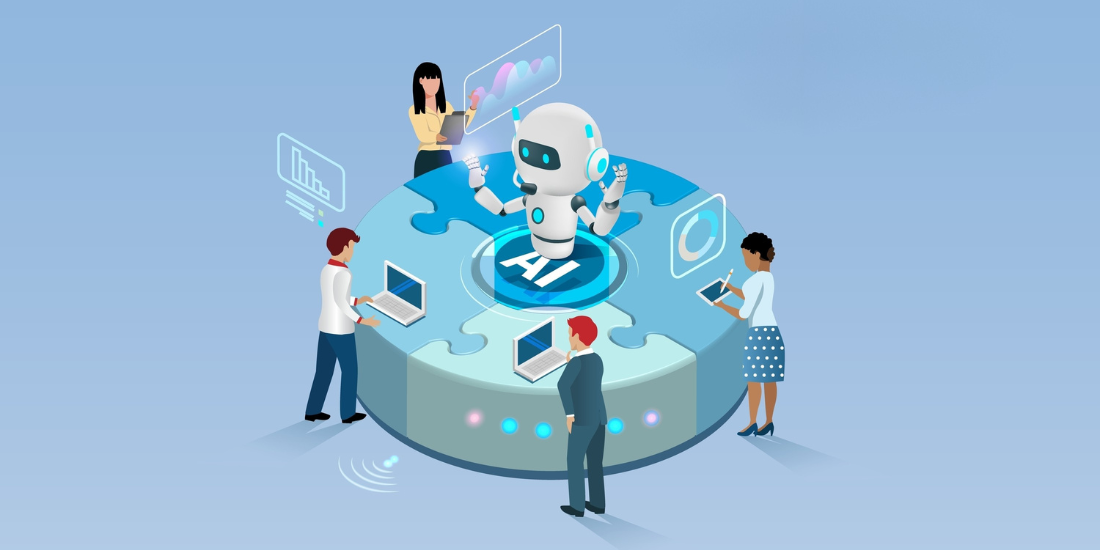
AI is an integral part of your team. Should you rely on it?
AI tools are transforming workplaces, boosting productivity, but they also expose organizations to unprecedented privacy and security risks. As AI tools become more sophisticated and integrated into business processes, it becomes essential for enterprises to strike a balance between innovation and the implementation of robust safeguards.
A significant risk for 2026 is the use of unmanaged AI tools by “helpful” employees for daily tasks, leading to the development of shadow AI ecosystems. These consumer-grade systems process sensitive corporate data without adequate oversight, resulting in breaches that incur remediation costs 5 times higher than traditional incidents. CIOs lack comprehensive inventories of generative AI in use, which can lead to structural blind spots in terms of daily productivity.
Workplace Monitoring and Employee Rights
The use of artificial intelligence (AI) for purposes such as productivity, attendance, or performance monitoring raises concerns regarding consent and fairness. Regulators are closely examining over-collection, explainability, and appeal mechanisms under the GDPR, the EU AI Act, and emerging regulations. Employees are demanding transparency regarding the data analyzed by AI and the influence of the resulting decisions, such as promotions or terminations.
Risks Associated with Vendors and Supply Chains
Third‑party AI vendors may introduce undisclosed risks through their practices regarding training data, model updates, and cross‑border transfers. It is now mandatory for contracts to include AI-specific clauses, such as prohibiting secondary data use, ensuring audit rights, clearly defining liability allocation, and establishing restrictions on downstream sharing. Shadow vendors can compound these risks when employees bypass procurement.
Governance: From Guidelines to Systems
AI privacy necessitates operational governance, not memoranda. Cross-functional committees—comprised of professionals from various disciplines, including privacy, legal, security, and IT—are responsible for enforcing continuous assessments, automated monitoring, and evidence collection for regulators. Frameworks such as Agentic Trust ensure data minimization, anonymization, and human oversight throughout the AI lifecycle.
Here are some practical steps for ensuring compliance:
Use monitoring tools for AI features, update notices/policies, data minimization, and vendor diligence. Ensure that privacy is integrated into the development of artificial intelligence (AI) by implementing inventories, logging, and ongoing testing. Approach compliance as a continuous process.
Info Quest Technologies’ Secure AI Approach
Info Quest Technologies is a leading provider of cybersecurity solutions that predict threats while protecting privacy. Our comprehensive solutions offer a multifaceted approach to safeguarding your systems. These solutions provide visibility, anomaly detection, and resilient defenses against AI-amplified risks, ensuring the utmost protection of your data and infrastructure. We assist enterprises in implementing reliable AI solutions, ensuring that innovation is in line with regulatory frameworks and enhances business resilience.